

Global Garments Stock
- February 4, 2026
Why China Is the Biggest Market for Export Surplus Clothing
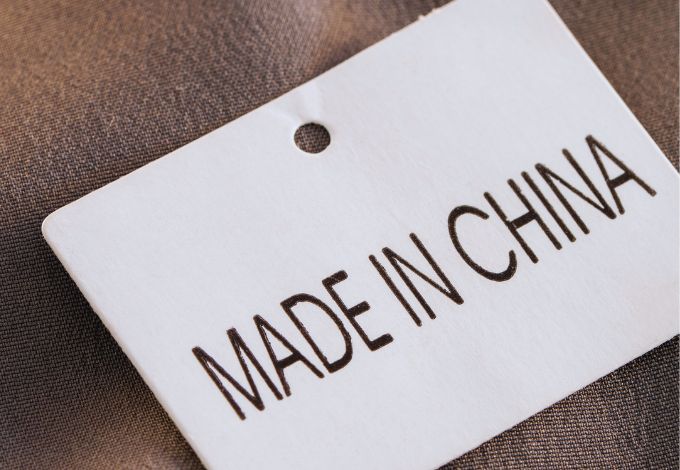
China has become the largest and most influential market for export surplus clothing in the world. From small wholesalers to massive trading companies, Chinese buyers consistently source surplus garments from overseas suppliers to meet the country’s enormous and fast-moving apparel demand.
For surplus clothing exporters, understanding why China dominates this market and how buyers operate, is the key to generating long-term business and repeat orders.
1. Massive Consumer Base with Constant Apparel Demand
China’s population and urban middle class create non-stop demand for affordable fashion. Clothing is not only a necessity but a fast-changing consumer product influenced by trends, seasons, and online culture.
Surplus clothing fits perfectly into this ecosystem because it offers:
- Competitive pricing
- Variety of styles
- Quick availability
Retailers and resellers across China rely on surplus stock to keep shelves full without high production costs.
2. Strong Wholesale & Resale Ecosystem
China has one of the most developed clothing wholesale and redistribution networks in the world.
Key characteristics:
- Large physical wholesale markets
- Thousands of regional distributors
- Efficient logistics between cities
- High-volume buying behavior
Surplus clothing is quickly absorbed into:
- Local retail shops
- Street markets
- Online stores
- Live-stream selling channels
This structure allows Chinese buyers to purchase large quantities and sell fast, making surplus imports highly attractive.
3. E-Commerce & Live-Streaming Fuel Demand
China’s e-commerce ecosystem is unique. Platforms like Douyin, Taobao, Pinduoduo, and Xiaohongshu require sellers to constantly refresh inventory with new styles and price points.
Export surplus clothing supports this model because:
- Stock is available immediately
- Styles change frequently
- Margins allow aggressive online pricing
Live-stream sellers especially prefer surplus apparel because they can test styles quickly and reorder successful items.
4. High Acceptance of Surplus & Stocklot Apparel
Unlike some markets, Chinese buyers and consumers are very comfortable with surplus, overstock, and stocklot clothing, as long as:
- Quality is consistent
- Pricing reflects value
- Descriptions are honest
Many buyers even prefer surplus because it allows them to sell branded or export-quality garments at competitive prices.
This cultural acceptance is one of the biggest reasons China outpaces other countries in surplus apparel imports.
5. Price Sensitivity Meets Profit Opportunity
Chinese wholesalers are extremely price-conscious but also highly strategic.
Surplus clothing offers:
- Lower sourcing costs
- Flexible resale pricing
- Strong profit margins
Buyers can:
- Sell budget lines in smaller cities
- Push higher margins in premium markets
- Adjust pricing quickly based on demand
This flexibility makes export surplus clothing an ideal product for China’s diverse regional markets.
6. Advanced Import & Logistics Infrastructure
China has one of the world’s most efficient import and logistics systems.
Why this matters for surplus clothing exporters:
- Major ports like Shanghai, Shenzhen, Ningbo, Guangzhou
- Experienced customs brokers
- Established garment HS code handling
- Fast inland transportation
This infrastructure allows Chinese buyers to import surplus garments in bulk with predictable timelines, reducing risk and encouraging repeat purchases.
7. Seasonal & Trend-Driven Buying Behavior
China’s clothing market is highly seasonal and trend-driven. Buyers constantly look for:
- Seasonal basics
- Fast-fashion items
- Trend-inspired silhouettes
- Affordable alternatives to premium brands
Export surplus clothing lets buyers respond quickly to trends without waiting months for production cycles.
8. Strong Buyer Preference for Long-Term Suppliers
Chinese importers value stable, reliable overseas suppliers who can:
- Offer consistent quality
- Share real photos and videos
- Communicate clearly
- Provide repeat stock options
Once trust is built, buyers often place:
- Regular monthly orders
- Larger container loads
- Long-term sourcing agreements
This makes China not just a large market but a sustainable one for surplus exporters.
9. Wide Range of Buyer Types
China’s surplus clothing market includes:
- Large trading companies
- Regional wholesalers
- Small shop owners
- Online sellers
- Live-stream entrepreneurs
This diversity means exporters can sell:
- Mixed stocklots
- Category-specific shipments
- High-volume basics
- Trend-focused apparel
Few markets offer this level of buyer diversity at such scale.
10. Why Exporters Should Focus on China First
For surplus clothing suppliers, China offers:
✔ High demand
✔ Fast turnover
✔ Repeat buyers
✔ Strong logistics
✔ Price-driven volume
While many markets import surplus apparel, China consistently absorbs the largest volumes and adapts fastest to new stock.
How Export Surplus Suppliers Can Win the China Market
To succeed, suppliers should:
- Clearly describe stock type (overstock, stocklot, surplus)
- Provide detailed size & category breakdowns
- Offer real photos & packing videos
- Support popular payment methods
- Communicate via WhatsApp or WeChat
Conclusion
China is the biggest market for export surplus clothing not by chance but because its retail structure, consumer behavior, and logistics system perfectly match the strengths of surplus apparel.
For suppliers willing to understand the market and build trust, China represents long-term growth, high volume, and consistent demand.
Share Now:
View Our Latest Stocks
Browse our complete collection of branded surplus and stock lot garments ready to ship from Bangladesh. Find premium fashion at unbeatable prices today.
View All Stocks




100% Genuine Branded Stock

Competitive Wholesale Prices

Wide Range of Stock Lots
