

Global Garments Stock
- March 20, 2026
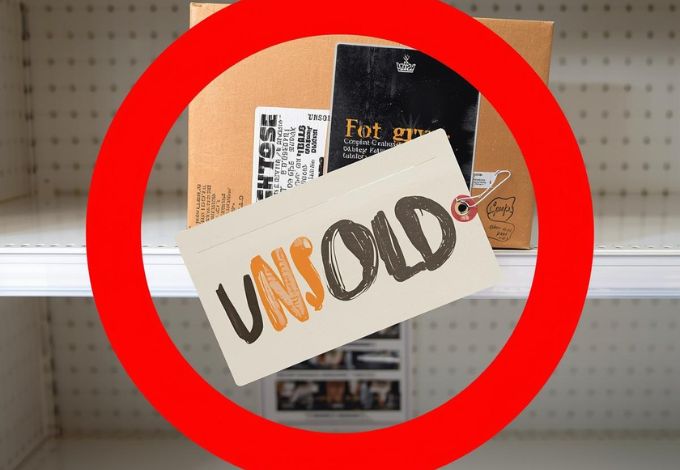
What Do Luxury Brands Do With Unsold Items?
Luxury fashion is built on exclusivity, craftsmanship, and carefully controlled supply. When you walk into a high-end boutique, everything feels intentional; limited stock, curated collections, and premium pricing. But behind the scenes, even the most prestigious brands face a very real challenge: unsold inventory.
So what actually happens to those unsold luxury items? While some people imagine they’re simply destroyed or locked away, the reality is far more complex and increasingly, far more sustainable. One of the most important yet lesser-known pathways is the wholesale surplus market.
Why Luxury Brands End Up With Unsold Stock
Even top-tier fashion houses don’t sell 100% of their collections. Several factors contribute to leftover inventory:
- Seasonal Changes: Fashion moves quickly. Collections are released months ahead of the season, and unsold pieces lose relevance once trends shift.
- Overproduction (Strategic, Not Accidental): Luxury brands often produce slightly more than demand to avoid stockouts and maintain global availability.
- Retail Performance Variability: Different markets perform differently. A product that sells out in Paris may sit unsold in another region.
- Strict Brand Standards: Luxury brands rarely discount heavily in their own stores, as it can dilute brand perception. This leaves them with excess stock rather than slashing prices.
The Traditional Approach: Secrecy and Control
Historically, some luxury brands chose extreme measures to protect their image:
- Destroying unsold goods
- Storing items indefinitely
- Limiting access to past-season inventory
These practices were meant to preserve exclusivity, but they’ve faced growing criticism due to environmental and ethical concerns.
The Modern Shift: Enter the Surplus Wholesale Market
Today, many luxury brands are quietly embracing a more practical and sustainable solution, selling unsold inventory to wholesale surplus suppliers.
What Is a Wholesale Surplus Supplier?
Surplus supplier are businesses that purchase excess inventory in bulk and redistribute it through various channels, such as:
- Discount retailers
- Online marketplaces
- Independent boutiques
- Export markets
This process allows luxury brands to recover part of their costs without publicly discounting products in their own stores.
How the Surplus Process Works
1. Bulk Liquidation Deals
Luxury brands sell unsold stock in large quantities to surplus buyers at significantly reduced prices. These deals are often confidential to protect brand identity.
2. De-Branding or Relabeling (Sometimes)
In some cases, identifying labels or tags may be removed or altered before resale to prevent direct association with discount channels.
3. Redistribution
Surplus suppliers then distribute these items globally, often in markets where brand sensitivity is lower or through platforms that don’t emphasize original branding.
4. Secondary Retail
Consumers may eventually find these items at:
- Outlet stores
- Flash sale websites
- Discount fashion chains
- Independent resellers
Why Brands Choose Surplus Suppliers
- Protecting Brand Image: Selling quietly through third-party channels avoids visible markdowns in flagship stores.
- Recovering Costs: Even at reduced prices, bulk sales help offset production expenses.
- Inventory Efficiency: Warehousing unsold goods is expensive. Moving inventory quickly frees up space and capital.
- Sustainability Goals: With increasing pressure to reduce waste, surplus selling is a more environmentally responsible alternative to destruction.
The Role of Global Markets
Surplus inventory often travels far from its original market. For example:
- Items unsold in Europe may appear in Asia, Africa, or Australia
- Different climates and fashion cycles create new demand
- Price-sensitive markets welcome high-quality goods at lower costs
This global redistribution is a key reason why surplus fashion thrives.
Are These Items Authentic?
Yes, when sourced through legitimate surplus channels, these products are genuine. However, they may differ slightly from retail versions in terms of packaging, tags, or minor finishing details.
Buyers should always:
- Purchase from reputable suppliers
- Verify product authenticity where possible
- Understand grading (new, overstock, or lightly handled items)
The Rise of Conscious Consumerism
Today’s consumers are more aware than ever. Many actively seek surplus luxury items because they offer:
- Better value for money
- Access to premium quality
- A more sustainable shopping choice
This shift in mindset is helping normalize surplus buying, even for high-end goods.
Challenges in the Surplus System
While beneficial, the surplus market isn’t without complications:
- Lack of Transparency: Brands rarely disclose surplus partnerships publicly.
- Inconsistent Supply: Inventory depends entirely on what remains unsold each season.
- Risk of Counterfeits: Not all sellers are trustworthy, making due diligence essential.
Final Thoughts
The idea that luxury brands simply destroy all unsold goods is becoming outdated. While it may still happen in rare cases, the industry is evolving. Selling to wholesale surplus suppliers has emerged as a practical, profitable, and increasingly responsible solution.
For consumers, this hidden supply chain opens up exciting opportunities, access to high-quality, authentic luxury items at a fraction of the original price. For brands, it offers a way to balance exclusivity with efficiency in a rapidly changing market.
In the end, surplus isn’t just leftover stock, it’s a second life for products that still have plenty to offer.
Share Now:
View Our Latest Stocks
Browse our complete collection of branded surplus and stock lot garments ready to ship from Bangladesh. Find premium fashion at unbeatable prices today.
View All Stocks





100% Genuine Branded Stock

Competitive Wholesale Prices

Wide Range of Stock Lots
