

Global Garments Stock
- October 28, 2025
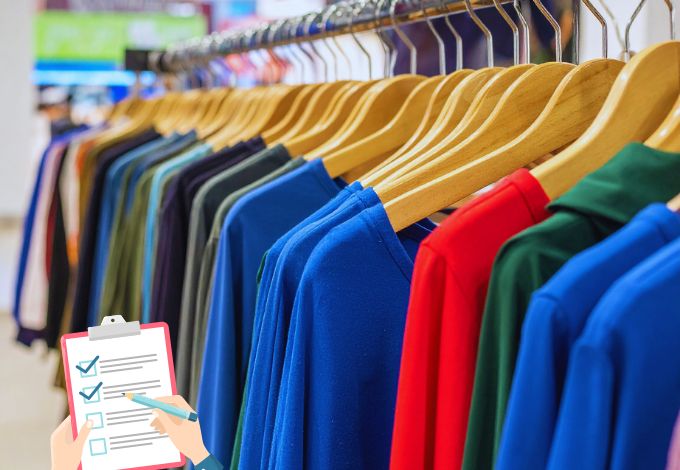
Checklist on How to Select Branded Surplus Garments
Checklist on How to Select Branded Surplus Garments
The fashion industry is fast-paced, with new trends emerging every week. But if you’re someone who wants to enjoy premium fashion without paying premium prices, branded surplus garments are your best-kept secret. These are authentic clothing items originally made for export or retail, sold at discounted rates due to minor defects, overproduction, or last-season stock.
However, not every surplus piece is worth your money. The market is filled with both genuine and fake “surplus” labels, and distinguishing between them can be tricky. To help you make informed decisions, here’s a comprehensive checklist on how to select branded surplus garments like a pro.
1. Understand What “Branded Surplus” Means
Before you start shopping, it’s important to know what surplus garments actually are.
- Export surplus: Items manufactured for international brands but left unsold due to overproduction, order cancellations, or minor quality issues.
- Stock lot: Bulk unsold items from previous seasons that brands clear at a discount.
- Factory seconds: Items with slight defects such as stitching errors, color variations, or misprinted tags.
Pro tip: Genuine surplus doesn’t mean “fake”, it’s often high-quality, authentic, and sometimes even better than regular retail items.
2. Check the Source or Seller’s Reputation
Always start by researching where you’re buying from. The authenticity of surplus garments heavily depends on the surplus clothing seller.
- Buy from trusted surplus stores, export surplus outlets, or verified online platforms.
- Look for customer reviews, ratings, and return policies.
- Avoid sellers who use phrases like “100% original” without any proof or paperwork.
Tip: Reliable stores often provide background details about the garment’s origin or the factory it came from.
3. Inspect the Tags and Labels Carefully
Tags are the first clue to authenticity. When inspecting branded surplus garments, pay attention to:
- Brand name and logo: Genuine surplus might have a slightly defaced or cut tag (to prevent resale as new), but the quality of printing should still look professional.
- Care labels: Check for proper washing instructions, fabric composition, and country of manufacture.
- MRP tags: Surplus items often don’t have MRP tags, or they may show “Sample,” “Not for Sale,” or “Export Only.”
Warning: If a tag looks cheaply printed or has spelling mistakes, it’s probably counterfeit.
4. Examine the Stitching and Fabric Quality
Surplus or not, branded garments are known for their craftsmanship. Here’s what to look for:
- Stitching: Even, tight, and clean stitches indicate a well-made product.
- Fabric feel: Branded surplus garments generally use high-quality cotton, linen, polyester blends, or denim. Feel the fabric, it should be soft, sturdy, and comfortable.
- Defects: Minor issues like loose threads or small stains are acceptable for surplus items, but large tears, holes, or color bleeding are red flags.
5. Try It On for Fit and Comfort
One of the challenges with surplus garments is inconsistent sizing, sometimes they were made for international markets.
- Always try on before buying (if possible).
- Check for proper shoulder alignment, sleeve length, and overall comfort.
- Keep in mind that US, UK, and Asian sizing differ, so don’t rely solely on the number on the tag.
If buying online, check if the store provides a size chart and exchange option.
6. Verify the Price Range
If something sounds too good to be true, it probably is.
- Authentic branded surplus is usually 30–70% cheaper than retail not 90% off.
- Prices that are extremely low often indicate counterfeit or rejected items with serious defects.
- Compare prices across multiple sellers to get an idea of the fair market rate.
7. Pay Attention to Packaging
Genuine surplus clothing often comes in simple or factory packaging, not flashy branded boxes.
- Export surplus may come with transparent poly bags and barcode stickers.
- Avoid sellers that offer “premium packaging” for surplus garments, it’s usually a marketing gimmick.
8. Look for Consistency in Design and Branding
When buying multiple pieces from the same brand:
- Check for uniform logo placement and design consistency.
- Inconsistent fonts, logo positioning, or label styles often indicate fakes.
- For printed garments, the print quality should be smooth, vibrant, and not flaky.
9. Ask Questions Before You Buy
Don’t hesitate to ask the seller about the garment’s background:
- Where was it sourced from?
- Is it export surplus, stock lot, or factory reject?
- What type of defect (if any) does it have?
Transparent sellers will answer these questions honestly.
10. Inspect Before Payment
Before finalizing your purchase:
- Check all zippers, buttons, and seams.
- Look for hidden defects like inner tears or misaligned prints.
- For online purchases, review the return policy in case of mismatched items.
11. Care and Maintenance
Surplus garments can last long if you take proper care.
- Follow the wash care instructions mentioned on the tag.
- For items with minor defects, a simple stitch or patch can restore them perfectly.
- Store them in a cool, dry place to maintain fabric quality.
Final Thoughts
Buying branded surplus garments is not just about saving money, it’s also a sustainable fashion choice. You help reduce textile waste, support smaller retailers, and still enjoy wearing high-quality branded apparel.
By following this checklist, you can easily identify genuine surplus items, avoid counterfeits, and build a stylish wardrobe on a budget. Always remember: being a smart shopper is not about buying cheap, it’s about buying wisely.
Share Now:
View Our Latest Stocks
Browse our complete collection of branded surplus and stock lot garments ready to ship from Bangladesh. Find premium fashion at unbeatable prices today.
View All Stocks



100% Genuine Branded Stock

Competitive Wholesale Prices

Wide Range of Stock Lots
