

Global Garments Stock
- February 5, 2026
Are Clothes Made in Bangladesh Good?
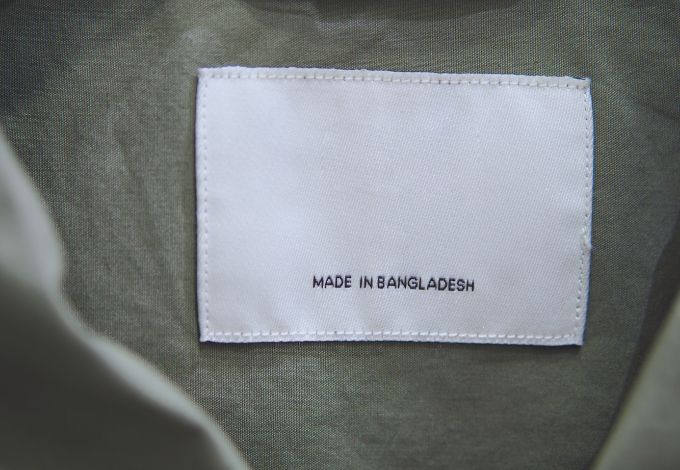
If you’ve ever checked a clothing label, chances are you’ve seen “Made in Bangladesh.” From everyday T-shirts to branded denim and even high-end fashion, Bangladesh plays a massive role in the global apparel industry. But many shoppers still ask the same question: are clothes made in Bangladesh actually good?
The answer isn’t a simple yes or no. The quality, ethics, and value of Bangladeshi-made clothing depend on several important factors. Let’s break it down clearly and honestly.
Bangladesh: A Global Clothing Powerhouse
Bangladesh is the second-largest garment exporter in the world, supplying clothing to almost every major fashion brand. Millions of garments are produced there every single day, making it a backbone of the global fashion supply chain.
Some key facts about Bangladesh’s garment industry:
- Supplies clothing to brands like H&M, Zara, Uniqlo, Levi’s, Gap, Adidas, and many luxury labels
- Employs millions of skilled garment workers
- Specializes in knitwear, denim, cotton garments, and casual wear
- Has decades of experience in mass production and export manufacturing
This scale alone shows that global brands trust Bangladesh to meet their production needs.
Quality: It’s About the Brand, Not the Country
One of the biggest misconceptions is that the country of manufacture determines quality. In reality, brands control quality, not factories alone.
Bangladeshi factories typically produce clothing based on:
- Brand-provided designs and patterns
- Fabric quality selected by the buyer
- Stitching, finishing, and durability standards set by the brand
- Strict quality inspections (for reputable brands)
This means:
- A cheap fast-fashion T-shirt and a premium denim jacket can both be made in Bangladesh
- The difference in quality comes from materials, craftsmanship requirements, and price targets, not location
Bangladesh is particularly well known for:
- High-quality cotton basics
- Durable denim and jeans
- Comfortable knitwear and loungewear
When brands invest in good materials and quality control, Bangladeshi-made clothes can last for years.
Skilled Workforce and Modern Factories
Bangladesh’s garment workers are highly experienced, many specializing in specific production tasks such as cutting, stitching, washing, or finishing. This specialization improves consistency and efficiency.
Over the years, many factories have upgraded with:
- Modern sewing and cutting machines
- Automated fabric handling systems
- Advanced dyeing and washing technology
- Lean manufacturing and quality-control processes
Today, many export-oriented factories match international production standards, especially those working with well-known global brands.
Ethics and Worker Safety: Progress, But Not Perfect
The ethical side of Bangladesh’s garment industry has been under intense scrutiny, especially after tragic factory accidents in the past. These events exposed serious safety and labor issues but they also forced major reforms.
Since then, there have been significant improvements:
- Stricter building and fire safety inspections
- International safety agreements and audits
- Improved factory infrastructure and compliance standards
- Greater involvement from global brands in monitoring suppliers
However, challenges still exist:
- Wages remain low compared to Western countries
- Conditions can vary between large certified factories and smaller ones
- Enforcement of labor laws is not always consistent
Ethical production does exist in Bangladesh, but consumers should support brands that are transparent about worker rights and factory conditions.
Sustainability: A Quiet Strength of Bangladesh
Surprisingly to many, Bangladesh is becoming a global leader in sustainable garment manufacturing. It has more LEED-certified green garment factories than any other country in the world.
Sustainability efforts include:
- Water-saving dyeing and washing techniques
- Solar energy and energy-efficient machinery
- Recycling water and reducing chemical use
- Organic, recycled, and eco-friendly fabrics
Many Bangladeshi factories are helping brands reduce their environmental footprint, especially in denim production, which is traditionally resource-heavy.
Price and Value for Money
One major reason brands manufacture in Bangladesh is cost efficiency. Lower labor costs and an established supply chain allow brands to produce clothing at competitive prices.
For consumers, this often means:
- Affordable clothing with decent to excellent quality
- Better value compared to similar products made elsewhere
- Access to global fashion trends at lower prices
Low price does not automatically mean low quality, it depends on how responsibly brands use their cost advantages.
So, Are Clothes Made in Bangladesh Good?
Yes, clothes made in Bangladesh can be very good and often are. The country produces garments for some of the world’s most respected brands, meeting high standards of quality, safety, and sustainability.
What truly matters is:
- The brand’s quality standards
- Their commitment to ethical labor practices
- Their transparency about sourcing and production
“Made in Bangladesh” is not a warning label, it’s a sign of a country that has become essential to global fashion through skill, scale, and continuous improvement.
When you choose responsibly made clothing, you’re not just buying a product, you’re supporting millions of workers and an industry that’s still evolving for the better.
Share Now:
View Our Latest Stocks
Browse our complete collection of branded surplus and stock lot garments ready to ship from Bangladesh. Find premium fashion at unbeatable prices today.
View All Stocks


100% Genuine Branded Stock

Competitive Wholesale Prices

Wide Range of Stock Lots
