

Global Garments Stock
- January 13, 2026
Is Selling of Clothes Profitable in Nigeria?
Yes, selling clothes is profitable in Nigeria, and it remains one of the most resilient small-to-medium businesses in the country. Fashion is deeply rooted in Nigerian culture, demand cuts across age groups and income levels, and clothing is a daily necessity rather than a luxury. However, profitability depends on what you sell, who you sell to, and how you operate.
Below is a detailed 900-word blog explaining why clothing sales thrive in Nigeria, the opportunities, challenges, and how to succeed.
Is Selling Clothes Profitable in Nigeria?
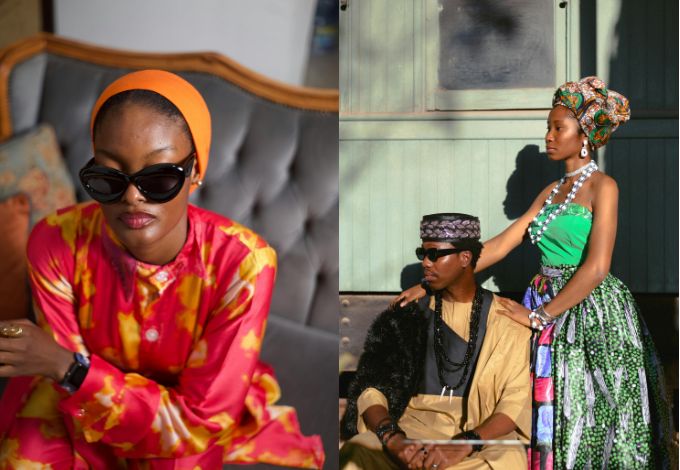
Nigeria’s fashion market is one of the most vibrant in Africa. From traditional attire like Ankara, Aso Oke, and lace to modern ready-to-wear outfits, streetwear, thrift (okrika), and luxury brands, Nigerians buy clothes for many reasons, work, religion, celebrations, social media, and personal expression.
With a population of over 200 million people, a youthful demographic, and a strong fashion-conscious culture, clothing sales continue to be a profitable business for many entrepreneurs.
Why Clothing Business Thrives in Nigeria
1. Constant Demand
Clothing is a basic need. Unlike luxury items that people can postpone buying, clothes are continuously needed due to wear and tear, changing trends, body size changes, and special occasions. Nigerians attend weddings, naming ceremonies, church programs, funerals, birthdays, and corporate events frequentl and each event often requires a new outfit.
2. Strong Fashion Culture
Nigeria is globally recognized for its fashion influence. Nigerian designers, stylists, and influencers shape trends across Africa and beyond. Many consumers want to look good, stand out, and keep up with trends, especially young people and working professionals.
3. Flexible Capial Requirement
Selling clothes can be started with small, medium, or large capital. Some people start with as little as ₦50,000 selling thrift clothes online, while others invest millions in boutiques or clothing lines. This flexibility makes it attractive to first-time entrepreneurs.
4. Multiple Market Segments
You can choose a niche that fits your budget and target audience, such as:
- Thrift (okrika) clothing
- Ready-made casual wear
- Surplus clothes
- Children’s clothing
- Traditional wear
- Luxury or designer fashion
- Sportswear or streetwear
Each segment has its own customer base and profit margin.
How Profitable Is Selling Clothes in Nigeria?
Profitability depends on your pricing, sourcing, and sales volume. Many clothing sellers make 30%–100% profit per item, especially when they buy in bulk or import directly.
For example:
- A thrift top bought at ₦1,500 can sell for ₦4,000
- A ready-made dress bought at ₦7,000 can sell for ₦15,000
- Ankara material bought wholesale can be resold with tailoring for double the cost
With consistent sales, a small clothing business can generate steady monthly income, and larger businesses can scale into six- or seven-figure earnings.
Best Ways to Sell Clothes in Nigeria
1. Online Selling
Social media platforms like Instagram, WhatsApp, Facebook, and TikTok have transformed clothing sales in Nigeria. Many sellers operate without physical shops, reducing overhead costs such as rent and electricity.
Advantages:
- Low startup cost
- Wider reach
- Easy marketing through influencers and ads
2. Physical Boutique
A physical store works well in busy areas such as markets, malls, campuses, or high-traffic streets. Customers can see, touch, and try on clothes, which increases trust and impulse buying.
3. Hybrid Model
Many profitable sellers combine both, using a physical shop for credibility and online platforms for wider reach. It allows sellers to serve walk-in customers while also reaching buyers outside their immediate location. The hybrid model increases sales opportunities and reduces the risk of relying on only one sales channel.
Challenges of Selling Clothes in Nigeria
While profitable, the business is not without challenges.
- High Competition: Clothing sales are popular, meaning competition is intense. Standing out requires good branding, customer service, and consistency.
- Changing Trends: Fashion trends change quickly. Stocking outdated styles can lead to losses. Successful sellers pay attention to trends and customer preferences.
- Economic Factors: Inflation, exchange rates, and import costs affect pricing. Customers may reduce spending during economic downturns, so pricing strategy is crucial.
- Logistics and Trust Issues: Online sellers face delivery delays, returns, and trust concerns. Clear policies and reliable logistics partners help reduce these issues.
How to Succeed in the Clothing Business in Nigeria
- Choose a Clear Niche: Don’t try to sell everything. Focus on a specific audience, students, working-class women, men’s wear, kids, or plus-size fashion.
- Source Quality Products: Quality builds repeat customers. Whether selling thrift or brand-new clothes, ensure items are clean, trendy, and durable.
- Price Smartly: Understand your market. Affordable pricing with reasonable profit often sells faster than overpriced items.
- Market Consistently: Post regularly on social media, use good photos, engage your audience, and encourage customer reviews. Word-of-mouth is powerful in Nigeria.
- Offer Good Customer Service: Politeness, honesty, fast responses, and after-sales care can set you apart from competitors.
Conclusion
Yes, selling clothes is profitable in Nigeria, and many people earn a full-time income from it. The business thrives due to constant demand, strong fashion culture, and flexible startup costs. While competition and economic challenges exist, entrepreneurs who understand their market, adapt to trends, and prioritize customer satisfaction can build a sustainable and profitable clothing business.
Whether you start small online or open a boutique, clothing sales remain one of the most practical and rewarding businesses in Nigeria today, especially for those willing to learn, stay consistent, and evolve with the market.
Share Now:
View Our Latest Stocks
Browse our complete collection of branded surplus and stock lot garments ready to ship from Bangladesh. Find premium fashion at unbeatable prices today.
View All Stocks




100% Genuine Branded Stock

Competitive Wholesale Prices

Wide Range of Stock Lots
