

Global Garments Stock
- January 6, 2026
Ways To Check Quality Before Buying Surplus Clothes
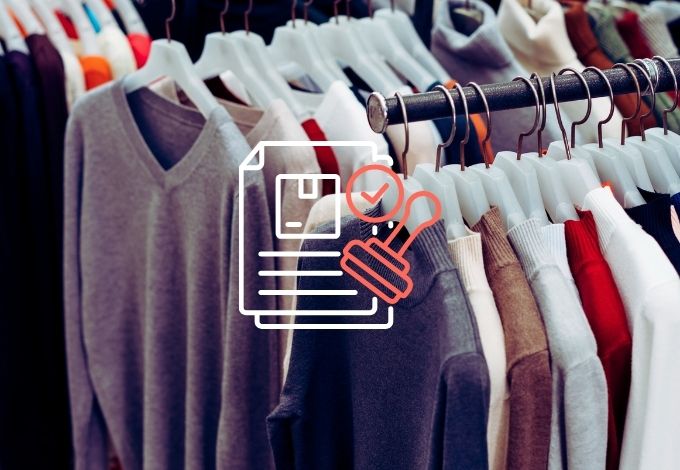
Buying surplus clothes has become increasingly popular among resellers, small business owners, thrift shoppers, and sustainability-conscious consumers. Surplus clothing, often excess stock from manufacturers, retailers, or export overruns, can offer great value at a fraction of retail prices. However, not all surplus garments are created equal. Without careful inspection, you may end up with damaged, outdated, or unsellable items.
To make smart purchasing decisions and protect your investment, it’s essential to know how to check quality before buying surplus clothes. Below are practical and reliable ways to assess clothing quality and avoid costly mistakes.
1. Understand the Type of Surplus Clothing
Before evaluating quality, identify what kind of surplus you’re buying. Surplus clothes typically fall into categories such as:
- New with tags (NWT): Unsold retail inventory
- Overstock or factory surplus: Extra production items
- Customer returns: May have minor defects
- Seconds or irregulars: Small manufacturing flaws
Each category carries a different level of risk. For example, new-with-tags items are usually higher quality, while returns and seconds require closer inspection. Knowing the category helps set realistic expectations.
2. Inspect Fabric Quality
Fabric is one of the most important indicators of garment quality. When possible, touch and examine the material carefully.
Check for:
- Thickness and weight: Extremely thin fabric may wear out quickly
- Consistency: Uneven texture or color patches can signal defects
- Pilling or fuzzing: Indicates poor-quality fibers or heavy wear
- Stretch recovery: Stretch the fabric slightly; it should return to shape
Natural fibers like cotton, wool, and linen usually feel stronger and more breathable, while poor-quality synthetic blends may feel stiff or flimsy.
3. Examine Stitching and Seams
Strong stitching is essential for durability. Turn garments inside out and inspect the seams.
Look for:
- Straight, even stitches
- No loose threads or skipped stitches
- Reinforced stress areas (shoulders, underarms, crotch)
- Secure hems
If seams are unraveling or uneven, the garment may not withstand regular wear or resale handling.
4. Check for Visible Defects
Surplus clothing may include minor flaws, but major defects reduce value significantly.
Inspect for:
- Holes or tears
- Stains, discoloration, or yellowing
- Broken zippers or missing buttons
- Fabric pulls or snags
- Misaligned prints or logos
When buying in bulk, ask the surplus supplier about the defect ratio (e.g., 5–10% damaged items) and whether damaged pieces are refundable or discounted.
5. Test Zippers, Buttons, and Closures
Hardware quality matters just as much as fabric. Poor closures can render an otherwise good garment unusable.
Make sure:
- Zippers glide smoothly and don’t catch
- Buttons are firmly attached
- Snaps and hooks close securely
- Velcro still grips properly
Replacing closures costs time and money, especially in bulk quantities.
6. Verify Brand Labels and Tags
Authentic brand labels often indicate better construction and fabric standards. Examine tags carefully.
Check for:
- Correct spelling and logo placement
- Care labels with washing instructions
- Country of origin tags
- Size consistency
Missing or altered labels may indicate factory seconds or unauthorized production. If brand authenticity matters for resale, request proof or documentation from the supplier.
7. Assess Sizing Consistency
Surplus clothing, especially factory overruns, may have inconsistent sizing.
Compare:
- Multiple items with the same size label
- Actual measurements (chest, waist, length)
- Proportions and fit balance
Inconsistent sizing can lead to customer dissatisfaction and higher return rates, so it’s crucial to identify sizing issues early.
8. Smell the Garments
Although often overlooked, smell can reveal important quality issues.
Be cautious of:
- Strong chemical odors
- Musty or moldy smells
- Smoke or storage-related odors
These smells can indicate improper storage, water damage, or chemical treatment that may be difficult to remove.
9. Ask for Samples Before Bulk Purchases
If you’re buying surplus clothes in large quantities, always request samples first. A sample allows you to:
- Test washing durability
- Check colorfastness
- Confirm sizing accuracy
- Evaluate overall resale quality
Suppliers who refuse to provide samples or detailed photos may not be reliable.
10. Research the Supplier’s Reputation
Quality depends heavily on the supplier. Before purchasing:
- Read online reviews and testimonials
- Ask about return and refund policies
- Confirm warehouse inspection procedures
- Check how long they’ve been in business
A trustworthy surplus supplier will be transparent about quality, defects, and grading standards.
11. Check Packaging and Storage Conditions
Poor storage can damage good-quality clothing. When inspecting shipments, observe:
- Clean, dry packaging
- Protection from dust and moisture
- Proper folding or boxing
Water damage, mildew, or insect exposure can significantly reduce garment value.
12. Balance Price With Quality
Extremely low prices can be tempting, but they often signal higher defect rates. Compare prices with:
- Fabric type
- Brand value
- Condition category
- Market resale value
It’s better to pay slightly more for consistent, sellable quality than to lose money on unsellable stock.
Final Thoughts
Buying surplus clothes can be highly profitable and sustainable, but only if quality is carefully checked. By examining fabric, stitching, defects, sizing, and supplier credibility, you can minimize risk and maximize value. Whether you’re sourcing for resale, donation, or personal use, taking the time to inspect surplus garments will help you make smarter, more confident purchases.
Quality control isn’t just about avoiding bad items, it’s about building trust with customers and ensuring long-term success in the surplus clothing market.
Share Now:
View Our Latest Stocks
Browse our complete collection of branded surplus and stock lot garments ready to ship from Bangladesh. Find premium fashion at unbeatable prices today.
View All Stocks


100% Genuine Branded Stock

Competitive Wholesale Prices

Wide Range of Stock Lots
