

Global Garments Stock
- October 1, 2025
Where Do Surplus Clothes Come From?
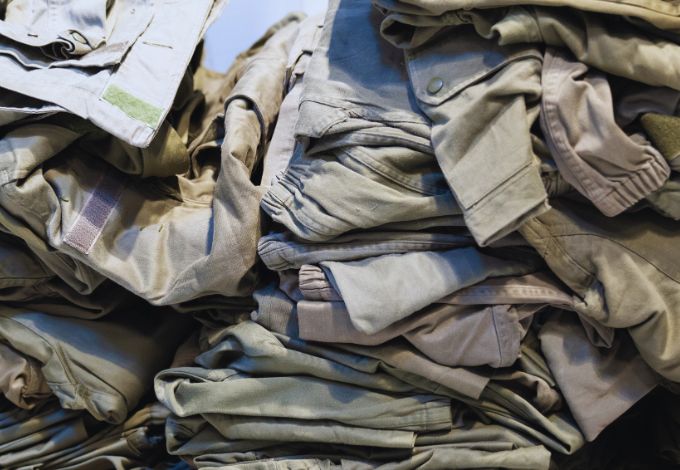
In a world where fast fashion reigns and trends change by the week, the global clothing industry has seen exponential growth in production over the past few decades. But behind the glossy storefronts and online shopping carts, there’s a lesser-known reality: surplus clothing, a massive, growing pile of garments that were never even worn.
So, where do surplus clothes come from? What causes this overflow? And what actually happens to these clothes? In this blog, we’ll pull back the curtain on the origins of surplus clothing, how it fits into the fashion industry’s supply chain, and why it matters, not just for your wardrobe, but for the planet.
The Main Sources of Surplus Clothing
Let’s explore the major reasons why surplus clothing exists in such large quantities.
1. Overproduction by Manufacturers
The fashion industry is built on high-volume production. Brands often manufacture more clothes than they expect to sell in order to:
- Reduce per-unit cost
- Ensure they meet potential demand spikes
- Avoid stockouts during high seasons
This strategy might make sense financially in the short term, but it inevitably leads to unsold inventory when demand doesn’t meet projections.
2. Order Cancellations
This is especially common in the global supply chain involving developing countries.
Imagine a major fashion retailer places an order for 500,000 t-shirts from a factory in Bangladesh. The factory ramps up production and finishes the order, but due to shifting market needs, seasonal changes, or economic downturns, the retailer cancels the order or only accepts part of it.
What happens to the rest? The factory is left with a mountain of perfectly wearable, branded clothing that they legally cannot sell through regular retail channels due to contractual restrictions.
3. Seasonal and Trend Changes
Fashion trends are notoriously fickle. Retailers work months ahead of time to anticipate what consumers will want next season. But if the predicted trend doesn’t catch on, or a celebrity promotes a different style last-minute, brands are left with unsellable stock.
This is especially true in fast fashion, where the speed of production is prioritized over thoughtful design or quality, and inventory turns over every few weeks.
4. Retailer Overstock and Returns
Large chain stores sometimes move surplus inventory from store shelves back to central warehouses or third-party sellers if items don’t sell quickly enough. In some cases, they offload unsold inventory to liquidators, discount outlets, or export markets.
Online returns, especially, contribute heavily to surplus. Returned clothing is often not resold due to repackaging and quality-control costs, instead, it’s marked as surplus and sold in bulk or destroyed.
5. Brand Repositioning and Rebranding
When companies rebrand or discontinue certain product lines, entire inventories may become “dead” overnight. Even if the clothes are high-quality, the brand no longer wants them on the market because they no longer align with their image or current offerings.
This is why many surplus clothes are pristine, fashionable, and sometimes even from luxury brands, just from an “old” line.
What Happens to Surplus Clothing?
Surplus clothing doesn’t just sit in warehouses. Many of them supply surplus clothing. Here’s where it often ends up:
1. Export Markets (Global South)
Massive quantities of surplus clothing are sold in bulk to countries in Africa, South America, and Asia. These clothes are then sold in local markets at very low prices. While this helps make clothing affordable, it has also been criticized for undermining local textile industries.
2. Outlet Stores and Discount Retailers
Some brands create outlet versions of their stores specifically to offload unsold inventory and older stock. These items are often re-tagged or discounted heavily.
3. Liquidation and B2B Resellers
Liquidation companies buy surplus clothing in bulk at a fraction of the original cost and resell it to small businesses, online shops, and thrift stores. This growing B2B market helps reduce waste and provides budget-friendly options for smaller sellers.
4. Upcycling and Ethical Fashion Brands
A new wave of sustainable brands are buying surplus (or deadstock) fabrics and garments and giving them new life through creative redesign, tailoring, or upcycling. This helps reduce demand for new textile production and diverts waste from landfills.
5. Landfills and Incineration
Unfortunately, not all surplus clothing gets a second chance. A staggering amount of new clothing ends up being burned or buried, especially when brands want to protect their brand value by not allowing excess inventory to reach the market at a discount.
The Environmental Cost of Surplus Fashion
Fashion is one of the most polluting industries in the world. Every surplus t-shirt represents:
- Water (up to 2,700 liters per shirt)
- Energy (textile mills, transport, warehousing)
- Carbon emissions
- Chemical usage (dyes, treatments)
When clothes go unworn and are thrown away, all those resources are wasted.
Moreover, synthetic fibers like polyester don’t biodegrade, and incinerating clothes releases toxic gases, making surplus not just a supply chain issue, but a serious environmental concern.
What Can You Do as a Consumer?
While large-scale change needs to come from brands and policymakers, here’s how you can help reduce the problem:
- Buy less, choose better. Focus on timeless pieces and higher-quality garments.
- Support surplus-based brands. Many ethical fashion labels focus on using deadstock or surplus materials.
- Shop secondhand or thrifted. This keeps clothes in circulation longer.
- Avoid impulse buying. Trends come and go, invest in clothes you’ll wear for years.
- Ask brands about surplus. Pressure from consumers can drive brands toward transparency and better practices.
Final Thoughts
Surplus clothing is a symptom of deeper inefficiencies in the fashion industry, a result of speed, overproduction, poor forecasting, and the pursuit of profit over sustainability. But it’s also an opportunity.
By understanding where surplus clothes come from, we can begin to see how our purchasing habits connect to a much larger story, one that includes garment workers, global trade, environmental impact, and the future of fashion.
As consumers, retailers, and designers rethink their roles, surplus clothing might just be a resource for positive change, not just a burden.
Share Now:
View Our Latest Stocks
Browse our complete collection of branded surplus and stock lot garments ready to ship from Bangladesh. Find premium fashion at unbeatable prices today.
View All Stocks





100% Genuine Branded Stock

Competitive Wholesale Prices

Wide Range of Stock Lots
