

Global Garments Stock
- February 11, 2026
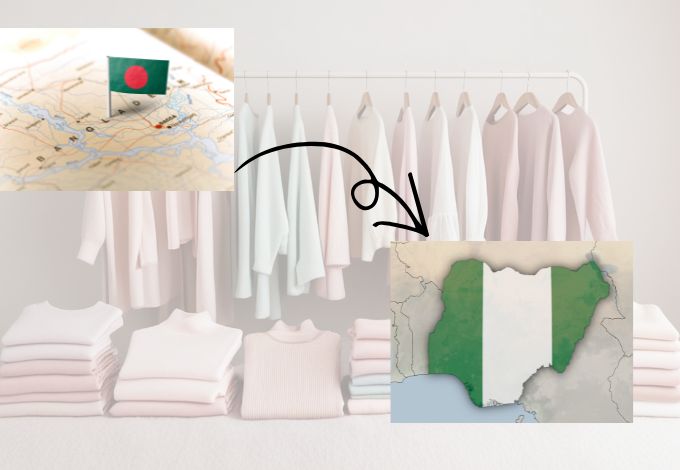
How to Buy Clothing from Bangladesh and Import to Nigeria
Bangladesh is one of the world’s largest exporters of ready-made garments (RMG), supplying clothing to global brands across Europe, America, and Africa. For Nigerian entrepreneurs, importing clothing from Bangladesh presents a major business opportunity due to competitive pricing, large production capacity, and diverse product options.
If you are looking to start or scale a fashion retail or wholesale business in Nigeria, this detailed guide explains everything you need to know, from finding suppliers in Bangladesh to clearing your goods through Nigerian customs.
Why Import Clothing from Bangladesh?
Bangladesh is the second-largest exporter of garments globally. The country produces high-quality apparel at relatively low production costs due to its strong textile manufacturing infrastructure and skilled labor force.
Key advantages include:
- Competitive factory pricing
- Wide variety of clothing categories (men, women, children, sportswear, denim, knitwear, uniforms, etc.)
- Ability to customize designs and private label products
- Large-scale production capacity
- Experience exporting internationally
For Nigerian importers, this means higher profit margins and access to quality products that can compete strongly in local markets.
Step 1: Register Your Business in Nigeria
Before importing, ensure your business is legally registered. This protects you and allows smooth customs processing.
You will need:
- Business registration with the Corporate Affairs Commission (CAC)
- Tax Identification Number (TIN)
- Importer registration with Nigeria Customs Service (NCS)
- A domiciliary (foreign currency) bank account
Most international payments to suppliers are made in US dollars. A domiciliary account allows you to transfer funds internationally through your bank.
Operating legally avoids shipment delays, fines, or confiscation of goods at the port.
Step 2: Research the Nigerian Market
Before placing any order, understand what sells well in Nigeria.
Ask yourself:
- Are you targeting wholesale or retail buyers?
- Are you selling to open markets like Onitsha Main Market, Balogun Market, or online platforms?
- What price range fits your customers?
- Do customers prefer trendy fashion, corporate wear, casual wear, or children’s clothing?
Importing the wrong product can lead to slow sales and cash flow problems. Always start with clear market demand.
Step 3: Find Reliable Clothing Suppliers in Bangladesh
There are three main ways to source clothing suppliers:
1. Online B2B Platforms
Websites like Alibaba, Global Sources, and Tradewheel allow you to search for Bangladeshi garment manufacturers. You can compare prices, minimum order quantities (MOQ), certifications, and reviews.
2. Direct Factory Contact
Bangladesh has major textile hubs in Dhaka and Chattogram. Many factories specialize in specific clothing categories such as denim, knitwear, or sportswear.
If possible, request:
- Company profile
- Export license
- Certifications
- Product samples
3. Sourcing Agents
If you are new to international trade, working with a sourcing agent in Bangladesh can reduce risk. Agents help with:
- Factory verification
- Quality inspection
- Negotiation
- Export documentation
Although agents charge a commission, they can save you from costly mistakes.
Step 4: Request Samples Before Bulk Orders
Never place a large order without testing product quality.
Ask for samples to check:
- Fabric quality
- Stitching strength
- Sizing accuracy
- Packaging
- Branding or labeling
Paying for samples is normal. It helps you evaluate whether the factory meets your standards before committing thousands of dollars.
Step 5: Negotiate Price and Terms
Once satisfied with samples, negotiate pricing and terms carefully.
Important points to discuss:
- Unit price
- Minimum order quantity (MOQ)
- Production timeline
- Packaging details
- Private labeling options
- Payment terms
Common payment methods include:
- Telegraphic Transfer (TT)
- Letter of Credit (LC)
- Escrow services
For first transactions, avoid paying 100% upfront. A common structure is 30% deposit and 70% after production before shipment.
Step 6: Understand Shipping Options
Clothing is usually transported by sea freight because it is more cost-effective for bulk goods.
You can choose:
6.a Full Container Load (FCL)
Full Container Load (FCL) means you rent an entire 20-foot or 40-foot container exclusively for your goods. It is ideal for large clothing shipments because it reduces handling, lowers the risk of damage, and offers better security since your products are not mixed with other cargo. Although the upfront cost is higher than LCL, FCL is more cost-effective per unit when importing in bulk and is the preferred option for established businesses ordering large quantities.
6.b Less than Container Load (LCL)
You share container space with other importers. Suitable for smaller shipments.
Sea freight from Bangladesh to Nigeria typically takes several weeks, depending on shipping routes and port processing times.
Air freight is faster but significantly more expensive. It is suitable only for urgent or small orders.
A reliable freight forwarder can manage:
- Container booking
- Port handling
- Documentation
- Shipping coordination
Step 7: Prepare Required Import Documents
Proper documentation is critical for successful customs clearance in Nigeria.
Common required documents include:
- Commercial Invoice
- Packing List
- Bill of Lading
- Certificate of Origin
- Form M
- Pre-Arrival Assessment Report (PAAR)
Form M is mandatory for all imports into Nigeria and must be processed through your bank before shipment arrival.
Failure to prepare correct documents can result in delays, additional charges, or cargo seizure.
Step 8: Customs Clearance in Nigeria
When your shipment arrives at Nigerian ports such as Apapa or Tin Can Island in Lagos, it must pass through customs inspection.
At this stage:
- Duties and tariffs are assessed
- VAT and other charges are calculated
- Clearing agents process documentation
Hiring an experienced clearing agent is highly recommended. They understand customs procedures and help speed up cargo release.
Once cleared, your goods can be transported to your warehouse or distribution centers.
Step 9: Calculate Total Landing Cost
Many new importers focus only on factory price and forget additional costs.
Your total landing cost includes:
- Product cost
- Inland transport in Bangladesh
- Freight charges
- Insurance
- Port handling fees
- Customs duties
- Clearing agent fees
- Local transport in Nigeria
Always calculate total cost before placing orders to ensure your selling price still allows healthy profit margins.
Step 10: Distribution and Sales Strategy
After clearing your goods, you need a solid sales strategy.
Options include:
- Selling wholesale to market traders
- Supplying boutique owners
- Selling online via Instagram, WhatsApp, Jumia, or Konga
- Creating your own fashion brand
Marketing matters. Even quality products require visibility and good customer engagement.
Common Mistakes to Avoid
- Importing without proper documentation
- Paying unknown suppliers without verification
- Ignoring customs duties in cost calculations
- Ordering too much inventory on your first shipment
- Skipping product quality inspection
Start small, learn the process, and gradually scale.
Final Thoughts
Importing clothing from Bangladesh to Nigeria can be highly profitable if done correctly. Bangladesh offers competitive pricing, strong manufacturing capacity, and diverse clothing options. However, success depends on proper business registration, careful supplier selection, accurate documentation, and clear understanding of shipping and customs processes.
With the right preparation and partnerships, you can build a sustainable clothing import business that serves Nigeria’s growing fashion market.
Whether you are a first-time entrepreneur or an experienced trader looking to expand internationally, Bangladesh remains a strong sourcing destination for quality and affordable garments.
Start with research, move carefully, and build relationships with reliable wholesale clothing suppliers, and you’ll be well on your way to establishing a successful import business.
Share Now:
View Our Latest Stocks
Browse our complete collection of branded surplus and stock lot garments ready to ship from Bangladesh. Find premium fashion at unbeatable prices today.
View All Stocks




100% Genuine Branded Stock

Competitive Wholesale Prices

Wide Range of Stock Lots
